Presidents, Power, and the Story of Rural America
It is hard to imagine life without electricity.
Flip a switch and the lights come on. Plug something in and it works. Heat, air conditioning, refrigeration, medical equipment, internet access. Nearly every part of daily life depends on reliable power.
But not long ago, that was not the case in rural Tennessee.
This Presidents’ Day, we honor all who have served as President of the United States. Here in Tennessee, that history feels especially close to home. Three presidents came from our state. Others shaped the Tennessee Valley in ways that still impact our daily lives. And together, their leadership helped create the systems that brought electricity and opportunity to rural communities like ours.
Because less than 100 years ago, most rural families in Tennessee did not have electricity.
Long before power lines stretched across our hills and farmland, Tennessee was already shaping the direction of the country.
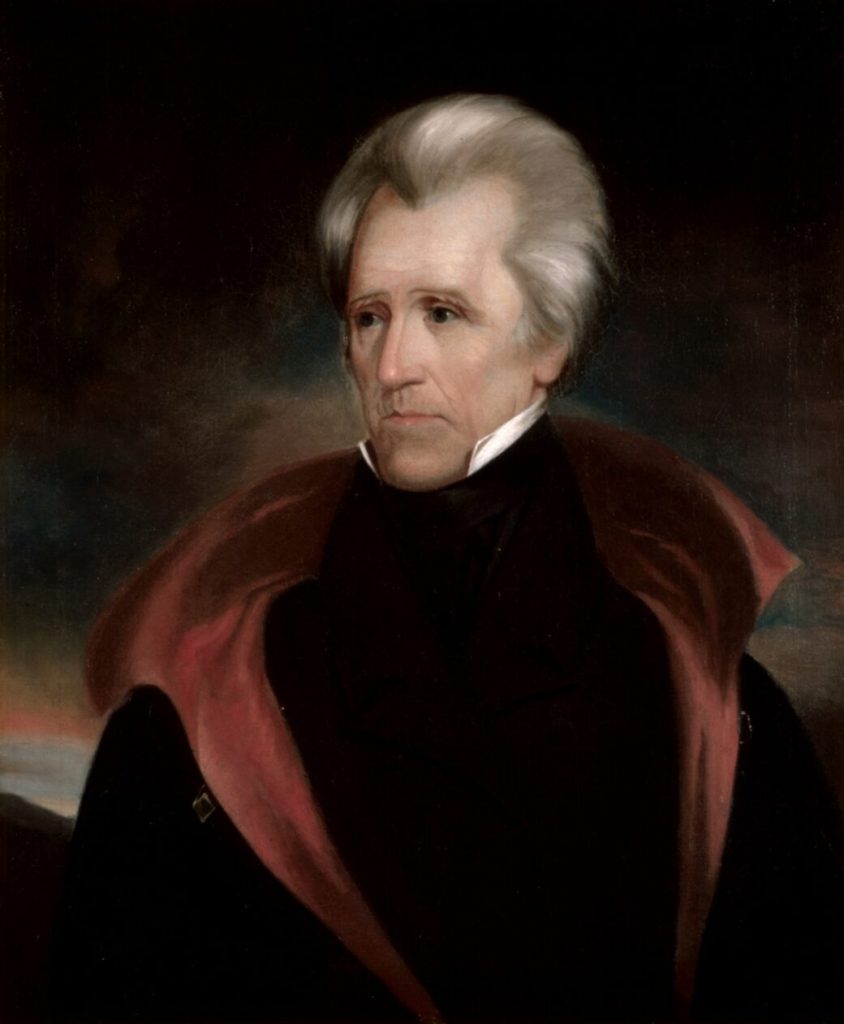
Andrew Jackson, the seventh President of the United States, made his home in Tennessee and led the nation beginning in 1829. His presidency reflected a belief that the voices of everyday citizens mattered.
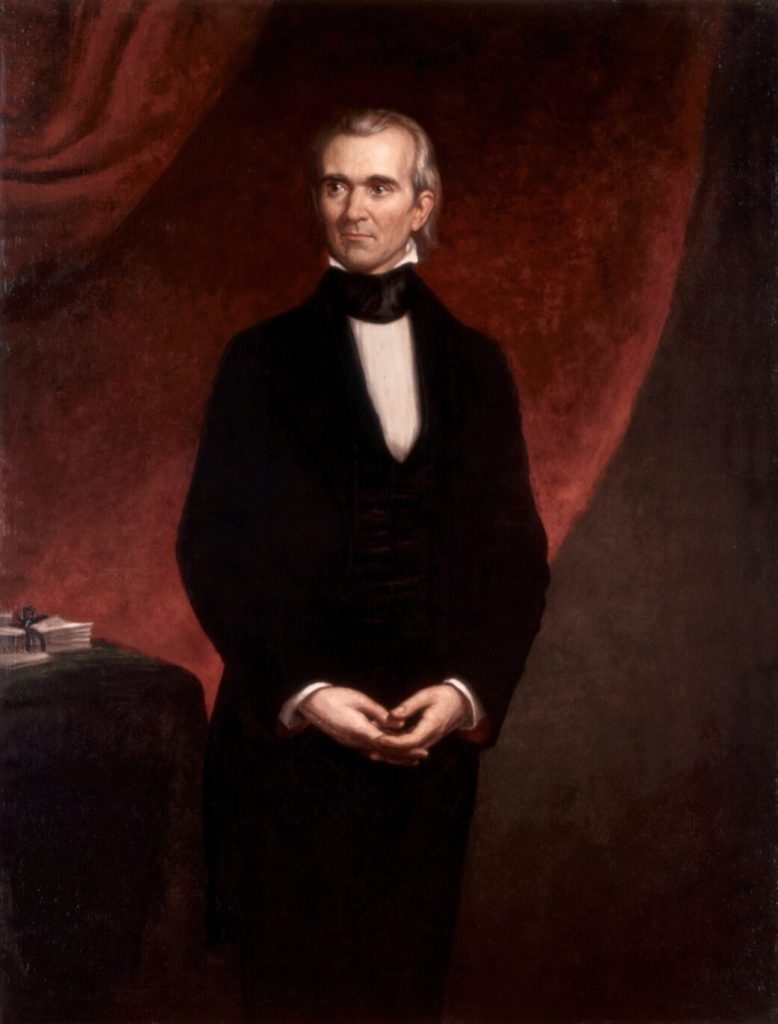
James K. Polk, raised in Tennessee, became the eleventh President in 1845. His administration expanded the nation’s borders significantly, adding vast stretches of rural land that would one day need infrastructure and services.
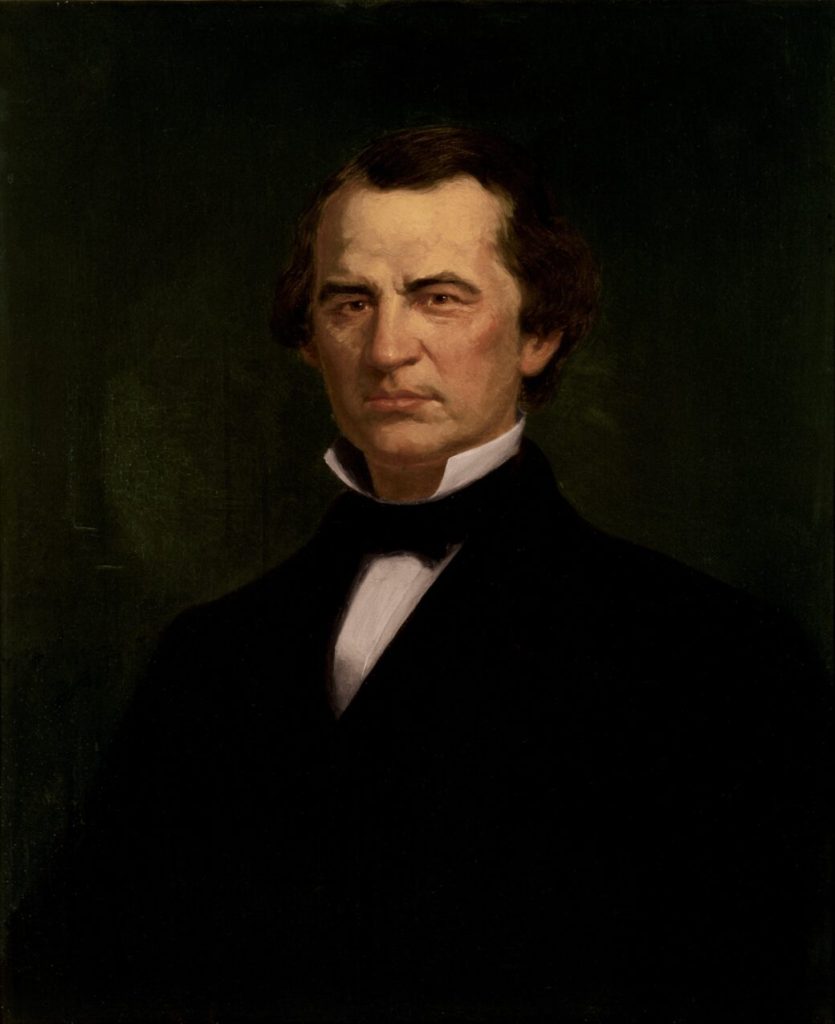
Andrew Johnson served as Tennessee’s military governor before becoming the seventeenth President during Reconstruction, a time focused on rebuilding and strengthening the nation’s foundation.
None of these leaders dealt with electricity directly. But they helped shape a growing country that would later face a defining question: How do we ensure rural America is not left behind?
By the early 1930s, that question became urgent.
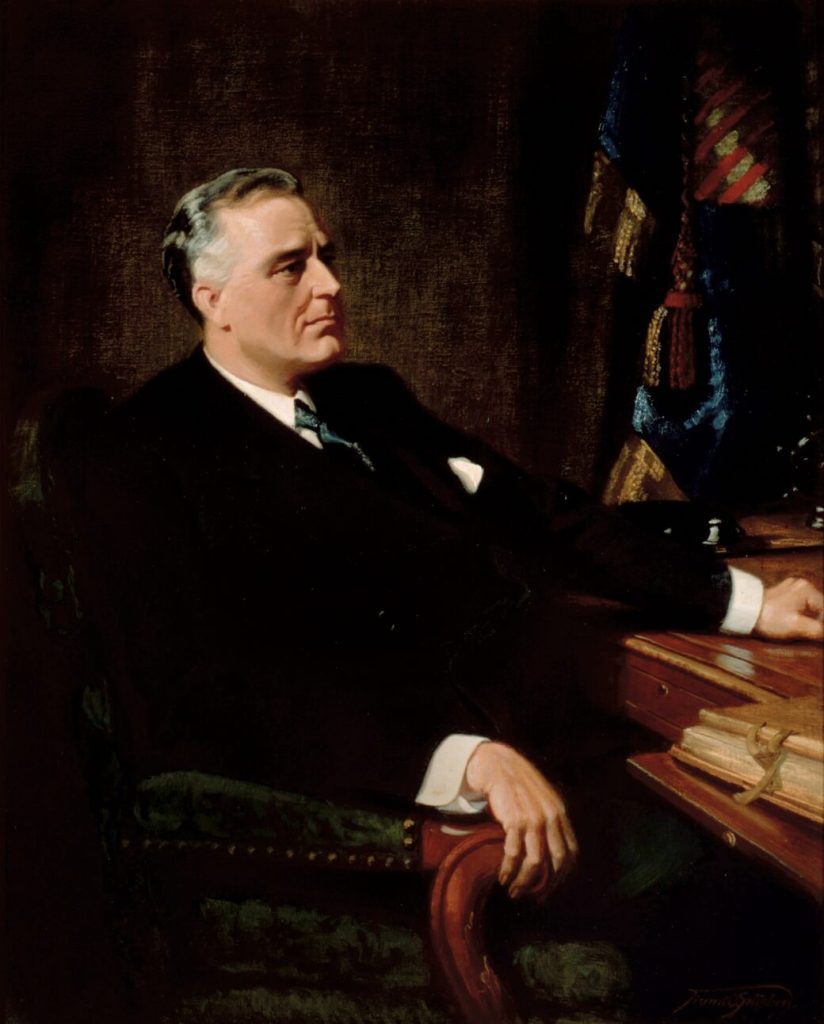
When Franklin D. Roosevelt took office in 1933, nearly 90 percent of rural homes in America did not have electricity. In Tennessee and throughout the South, farm families relied on kerosene lamps for light. Water was pumped by hand. Food preservation was limited. Modern conveniences available in cities were out of reach for rural communities.
Private utilities declined to extend service into rural areas because it was expensive and not profitable enough.
For rural Tennessee, electricity was uncertain.
In 1933, Roosevelt signed the Tennessee Valley Authority Act into law, creating the Tennessee Valley Authority (TVA).
TVA was designed to address challenges facing the Tennessee Valley region. It improved flood control, strengthened navigation, stimulated economic development, and generated affordable electricity.
For Tennessee, this was transformative.
TVA did not just generate power. It generated possibility.
But generation was only part of the solution. Rural communities still needed a way to deliver that power to homes and farms.
In 1936, Roosevelt signed the Rural Electrification Act, providing low-interest loans so rural communities could form electric cooperatives and build distribution systems.
Local farmers and community leaders organized, borrowed funds, and began building systems from the ground up. It was not easy work. Poles were set by hand. Lines stretched across fields and hills. But slowly, the lights began to turn on.
Electric cooperatives were not created to make a profit. They were created so communities could serve themselves.
And that is where UCEMC’s story begins.
In 1938, UCEMC’s first board of directors consisted of five individuals who believed their rural communities deserved electricity.
Each of those five men contributed five dollars of their own money. They gave that money to the cooperative’s first attorney so he could purchase a train ticket to Washington, D.C., and retrieve the paperwork needed to officially form an electric cooperative.
With the cooperative officially formed, UCEMC gained the ability to purchase assets from the Tennessee Power Company, which at the time was providing electricity only within the city limits of Carthage and Cookeville.
Over the course of the next year, UCEMC bought out Tennessee Power Company and began building infrastructure to provide electricity to members outside the city limits. It reached farms and rural homes that had never had electricity before.
Membership in the cooperative cost five dollars. And that $5 membership fee is still in place today.
From the very beginning, UCEMC was built on the idea that local people could come together, contribute, and build something that served their community.
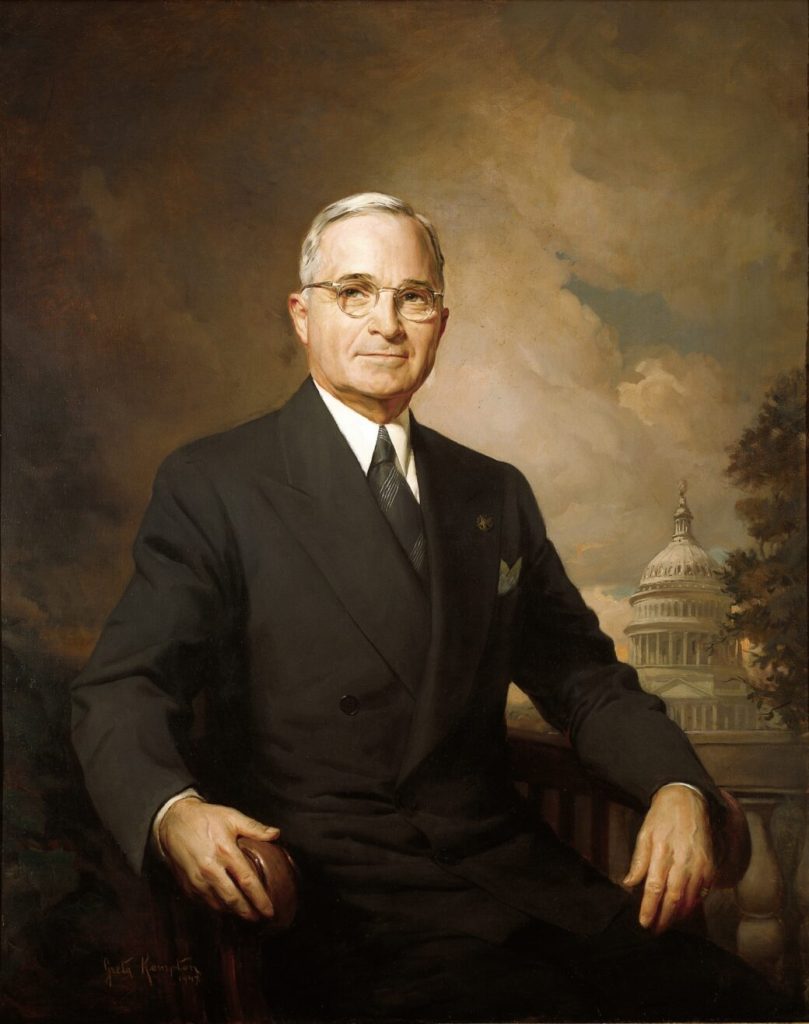
President Harry Truman supported expanding rural electrification efforts after World War II. By the late 1950s, a majority of rural homes had electricity.
The impact was immediate and life changing.
Within a generation, homes that once relied on oil lamps had electric lights. Wells were powered. Refrigerators replaced ice boxes. Schools and hospitals operated more effectively. Businesses expanded. Farms modernized.
The Tennessee Valley moved from darkness into opportunity.
And that opportunity continues today. But they did not stop at infrastructure.
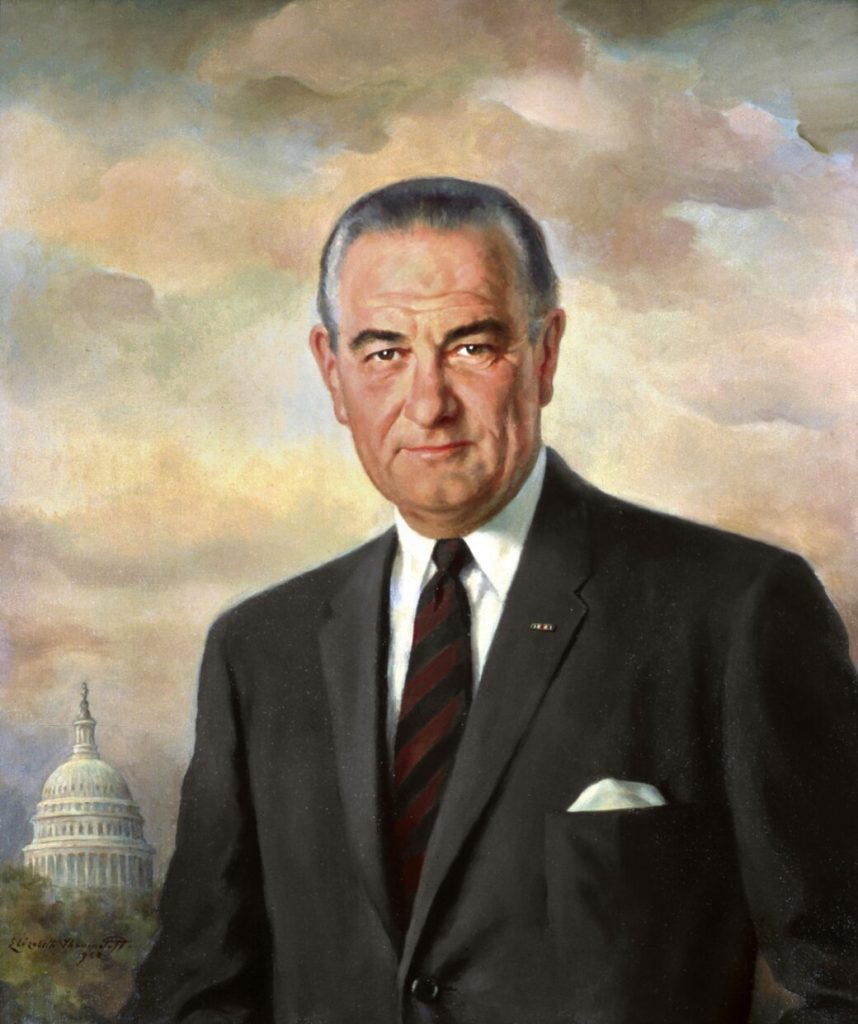
In 1957, then-Senator Lyndon B. Johnson helped launch what would become the Washington Youth Tour. He believed young people should experience their government firsthand and encouraged electric cooperatives to sponsor students to travel to Washington, D.C.
That program continues today. Students from our service area still travel to Washington D.C. each year. They meet their representatives, visit museums, monuments, and historic sites, gaining leadership experience and perspective.
The same cooperative network that brought electricity to rural America continues investing in its future leaders.
The decisions made nearly a century ago still shape our daily lives.
Because of TVA, our region benefits from reliable generation.
Because of the Rural Electrification Act, electric cooperatives like UCEMC remain locally governed and member-owned.
Because five local leaders in the Upper Cumberland were willing to invest five dollars each and send a lawyer to Washington in 1938, rural families in our community gained access to electricity.
Today, UCEMC continues building on that legacy through modern infrastructure upgrades, right-of-way maintenance, storm response improvements, energy efficiency partnerships, and community programs.
The mission remains the same. Serve members. Strengthen communities. Leave no one behind.
This Presidents’ Day, we are thankful for the leadership, national and local, that helped bring electricity to rural Tennessee.
The next time you flip a switch, remember that light did not just appear. It was built through vision, cooperation, and leadership.
